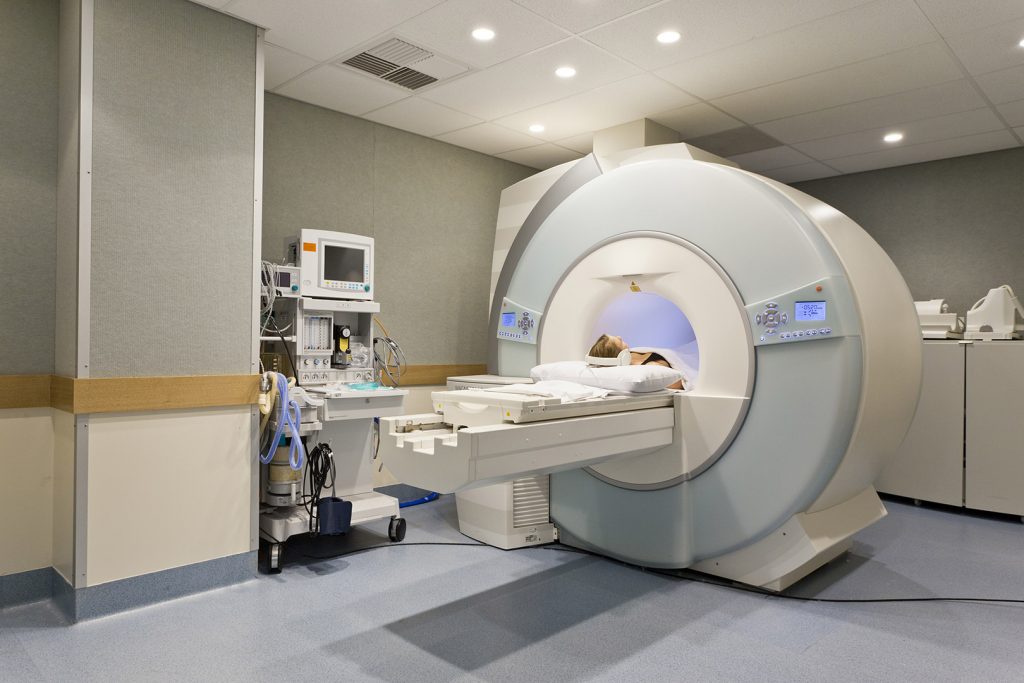
Gadolinium-based contrast agents (GBCAs) are used in some MRI’s. In 2006, it was discovered that GBCAs could cause a horrifying, and sometimes fatal, condition called Nephrogenic Systemic Fibrosis (NSF) in people with impaired kidney function, although the first cases were seen as early as 1997. Over time it became clear that GBCAs can cause a very serious condition in people with normal kidney function. Gadolinium deposition disease occurs when gadolinium breaks free of its chelator and is deposited in the body instead of being cleared by the kidneys. It is more common when linear GBCA is used.
Gadolinium Deposition Disease
Gadolinium is a highly toxic heavy metal. It must be chelated when used in the body. In macrocyclic GBCAs gadolinium is bound are bound more tightly to its chelator than in linear GBCAs. Linear GBCAs are less stable. The gadolinium can break free and deposit in the body causing gadolinium toxicity.
The symptoms of gadolinium deposition disease (GDD) can begin from within hours to two months of administration, and include:
- Intense burning sensation in the skin
- Excruciating pain, often describe as pins and needles, cutting or burning
- Intense bone or joint pain – in any bones or joint, but often rib pain
- Headache – often describe as a burning pain or feeling of tightness
- Neck pain
- Pain and a thickening appearance of the tendons and ligaments
- Tightness in the hands and feet
- Muscle twitches
- Brain fog or “chemo brain”
- Pinkness to the skin
- Thickening of the skin giving it a doughy texture
- Stiffness in the joints
- Decreased range of motion
Additionally, people with gadolinium toxicity have reported symptoms including:
- Itchy skin
- Hair loss
- Fatigue
- Difficulty breathing
- Tremors
- Nausea and/or vomiting
- Diarrhea
- Hearing problems
- Vision problems
If you have developed symptoms of GDD after MRI, please talk to an experienced defective drug attorney right away to learn more about your rights.

Recent Comments